
The science behind the solution
Our lead asset addresses oxidative stress and mitochondrial dysfunction at the cellular level. With a growing pipeline of indications that share a single delivery platform and root-cause mechanism.
An observation that changed everything
“How can these fish still be alive?”
Treated with our lead asset, ATI-105, a clownfish pair purchased in 2000 was still actively breeding at 28 years, nearly three times their expected lifespan. "Orby," a batfish, was thriving at 28 against a life expectancy of 9 — 15.These weren't anomalies. They were signals.
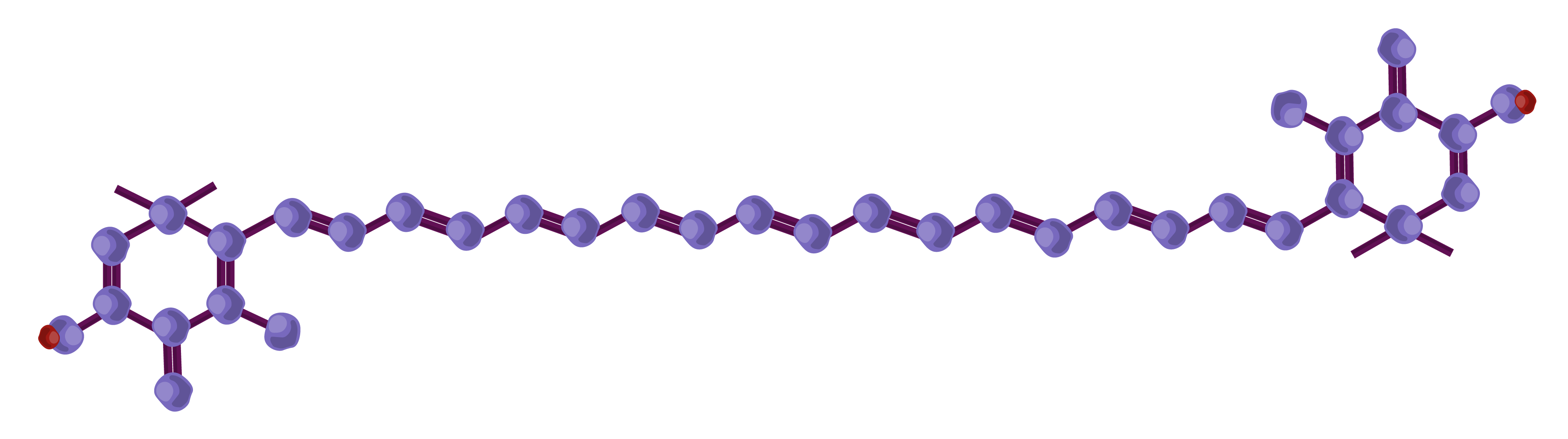
That observation launched a deeper scientific inquiry. Our lead asset contains the powerful small molecule astaxanthin, that in a prior synthetic version (CDX-085, co-invented by Dr. Glickman), was found to induce the longevity gene FOXO3, and is among only 13 compounds ever demonstrated by the NIH's National Institute on Aging (NIA) Interventional Testing Program (ITP) to significantly extend lifespan.
Nature had already solved the problem. Adjuvia's work is to deliver that solution to human cells — reliably, safely, and precisely.
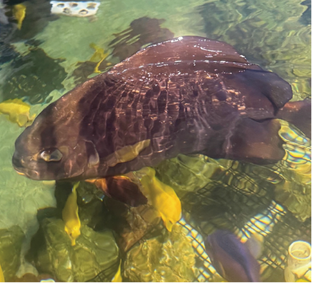
"Orby" the Batfish
Mitochondrial dysfunction lies at the core of many chronic and rare diseases, leading to oxidative stress, chronic inflammation, cellular damage, and organ failure.
Mitochondrial Dysfunction
TRIGGERS
Oxidative Stress
ACTIVATES
Chronic Inflammation
LEADS TO
Organ Failure
ENDS IN
Death
Current available treatments manage how disease feels, not what causes it. Adjuvia's platform is designed to end this cascade at the first step.
ATI-105: Mechanism of Action
How our lead asset works
Mitochondrial dysfunction drives excessive production of reactive oxygen species (ROS) — unstable molecules that damage cell membranes, proteins, lipids, and DNA. When ROS overwhelm the cell's natural defenses, NF-κB (a master inflammatory regulator) is activated, triggering chronic inflammation that accelerates cellular aging and organ damage.
Our lead asset interrupts this cascade at the source. The astaxanthin molecule spans the full mitochondrial membrane, neutralizing ROS directly and indirectly through Nrf2-activated antioxidant enzymes, suppresses NF-κB-mediated inflammation and restores the cell's ability to manage oxidative stress independently.
The result is not symptom management. It is cellular repair. Our lead asset, ATI-105, has been shown in preclinical models to inhibit multiple cellular death pathways, reverse inflammation and fibrosis, and restore function in tissues and organs progressively damaged by chronic mitochondrial disease.
Oral administration & BBB crossing
Our lead asset nanoparticle is ingested orally and crosses the BBB via transcytosis
Mitochondrial membrane insertion
ASX molecule inserts into and spans across both mitochondrial membranes; interior and exterior
ROS quenching
Neutralizes reactive oxygen species on both membrane surfaces simultaneously and restoring redox balance
NF-κB suppression
Inhibits NF-κB nuclear translocation, inhibiting the chronic inflammatory cascade driven by oxidative stress
FOXO3 induction & cell regeneration
Activates stemness and the longevity gene FOXO3 — promoting cell viability, regeneration, and organ function restoration
Why Astaxanthin
ASX has been studied for decades for its extraordinary antioxidant, anti-inflammatory, and regenerative properties.
What makes Adjuvia's approach different is a novel ASX molecular structure and unprecedented delivery: for the first time, this molecule can cross the BBB and reach mitochondrial targets throughout the body with the highest potency ever observed.
Unlike conventional antioxidants that work on one side of the cell membrane, ASX's unique molecular configuration spans the full width — quenching reactive oxygen species and transferring electrons on both the interior and exterior simultaneously.
The result: superior oxidative protection, restored cell signaling and function, including induction of the longevity gene FOXO3, a mechanism associated with exceptional lifespan across multiple species.

Lead Program
Friedreich's Ataxia
A disease defined by unmet need.
Friedreich's Ataxia (FA) is a rare, progressive genetic disease that damages the nervous system and heart. Caused by a loss of function in the FXN gene encoding the antioxidant enzyme-producing protein frataxin. FA leads to ROS accumulation, muscle and organ deterioration, and ultimately heart failure.
FA patients face a shortened lifespan, most living into their 30s to 40s, with progressive loss of coordination, muscle strength, and diminished cardiac function beginning in childhood or adolescence.
Only one approved therapy exists, offering short-lived symptomatic benefit but not addressing the underlying mitochondrial and oxidative dysfunction that drives the disease and leads to heart failure.
Our lead asset is designed to do exactly that. Phase 1/2a clinical trials are preparing to launch at multiple sites, measuring serum biomarkers and functional improvements across muscle, heart, brain, pancreas, eye, ear, and other target organs.
Development Timeline
Company founded from parental; transfer of issued IP
Filed Pending IP on lead asset and lineup asset
Positive FDA INTERACT meeting on IND development plan
Initiated IND-enabling studies, GMP manufacturing
Completion of non GLP tox studies in rats and dogs with no safety findings
Received positive pre-IND FDA feedback
Submission of IND & clearance; Ph1 SAD/MAD safety trial